
 21 July 2026
 Share
Share
1
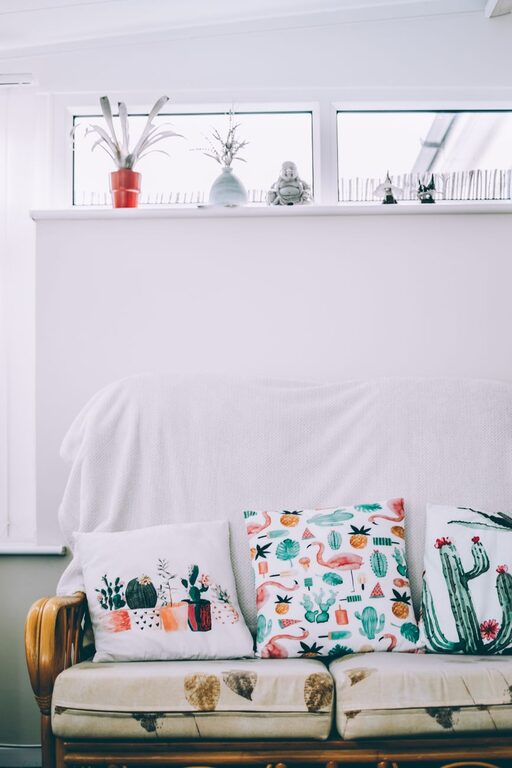
A dark room can often feel small, cramped, and less inviting. Whether it’s a living room, bedroom, or office space, having sufficient light can dramatically improve the atmosphere and functionality of any room. The good news is, brightening a dark room doesn’t always require major renovations or expensive lighting fixtures. With some clever adjustments and simple ideas, you can transform a gloomy space into a bright, cheerful haven.
In this post, we’ll explore quick and practical ways to brighten a dark room using lighting, colors, mirrors, and decor techniques.
One of the easiest ways to let more natural light in is to reconsider your window coverings. Heavy, dark curtains can block sunlight. Opt for sheer or light-colored drapes that diffuse sunlight without sacrificing privacy.
Clean windows can make a surprising difference. Dirt and dust block light, so regular cleaning helps maximize the brightness entering your room.
If trees or bushes are blocking sunlight from your windows, trim them back. This allows more natural light to pour in during daylight hours.
Dark walls absorb light, making a room appear smaller and dimmer. Choose lighter colors such as white, cream, pale gray, or pastels to reflect more light and open up the space.
The ceiling is often overlooked. Painting it a bright white or a very light color helps reflect light back down into the room, enhancing overall brightness.
Mirrors bounce light around the room. Placing a large mirror opposite or near a window maximizes natural light reflections and makes the space feel larger.
Look for furniture and decor with reflective finishes such as glass, metal, or glossy surfaces. These elements help scatter light and add sparkle to the room.
Brighten a room by combining ambient, task, and accent lighting. Use ceiling lights for general illumination, table lamps or floor lamps for focused light, and accent lights to highlight art or architectural features.
LED bulbs are energy-efficient and available in a variety of brightness levels. Choose bulbs with a higher lumen count and a color temperature of 2700K to 3000K for a warm, inviting glow.
Dark lampshades can dim a room, so look for shades in white or soft colors that allow more light to filter through.
Furniture in light shades of wood, fabric, or leather reflects more light compared to dark pieces. This helps maintain brightness and openness.
A cluttered room feels darker and smaller. Keep furniture to a minimum and arrange it so that pathways and light flow are unobstructed.
Adding colorful cushions, rugs, or wall art brings life and vibrancy to a dark space. Choose bold or pastel hues that complement your overall color scheme.
Greenery adds freshness and a dimension of color that brightens the room naturally. Place plants near windows to take advantage of natural light.
If possible, use light-colored flooring like pale wood, laminate, or tiles with glossy finishes. These surfaces reflect natural and artificial light, making the room feel more spacious.
Light-colored or patterned rugs can brighten dark floors and enhance the overall lightness of the room.
Avoid placing bulky items on window sills or near windows that could block light. Keep these areas free and open.
If privacy is a concern, consider sheer blinds or half curtains that cover only the bottom half of the window, allowing light to come through unobstructed.
Furniture made from glass or clear acrylic has a minimal visual footprint, allowing light to pass through and eliminating visual clutter.
Instead of bulky bookcases, use open shelving units that don’t block light and maintain an airy feel.
Dust, dirt, and smudges on surfaces, mirrors, and windows can reduce brightness. Regular dusting and cleaning help keep light flowing freely in your room.
—
Brightening a dark room is all about maximizing available light and reflecting it throughout the space. By combining lighter colors, clever lighting choices, and thoughtful furniture arrangements, any room can become brighter, bigger, and more welcoming. These quick ideas require minimal investment and effort but can have a big impact on your home’s ambiance.
Try a few of these tips and enjoy the difference a brighter room can make in your daily life!
