
 21 July 2026
 Share
Share
1
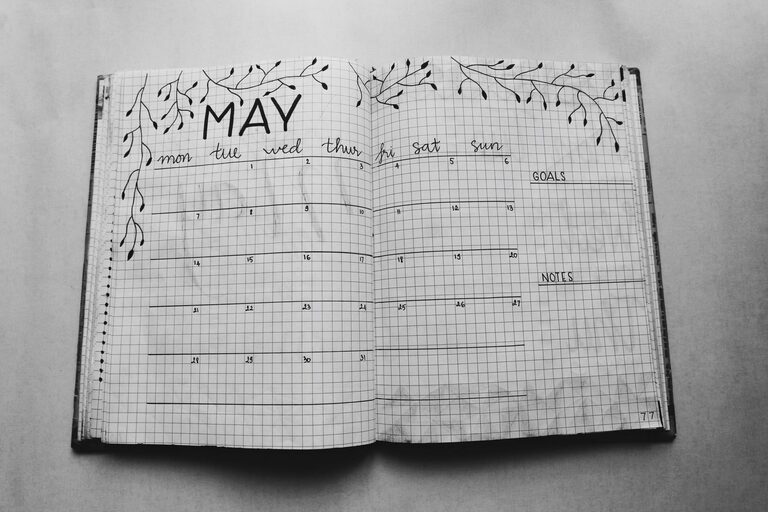
Journaling is a powerful tool that many people use to improve their mental clarity, creativity, and emotional well-being. If you’re new to journaling or want to make it a daily habit, this beginner guide will help you get started and stay motivated.
Journaling daily offers several benefits, including:
– Improved focus and clarity: Writing your thoughts helps organize your mind.
– Stress relief: Putting feelings on paper can ease anxiety.
– Creativity boost: Regular writing sparks new ideas.
– Personal growth: Reflecting on experiences encourages self-awareness.
– Memory enhancement: Documenting events helps recall details later.
Even just five minutes a day can make a difference.
Before you begin, pick the right materials that inspire you:
– Physical notebooks: Many prefer the tactile feel of pen and paper. Choose a notebook size and style that excites you.
– Digital apps: Apps like Day One, Evernote, or simple note apps offer convenience and easy access, especially on the go.
– A comfortable pen or pencil can make writing more enjoyable.
– If you’re digital, ensure your device is charged and the app easy to use.
Start with achievable goals:
– Commit to writing for 5–10 minutes each day.
– Consider writing just one paragraph or even a few bullet points.
– Keep your goals flexible; some days you may write more, others less.
The key is consistency rather than length.
Establish habits that encourage daily writing:
– Choose a regular time: Morning, lunch break, or before bed are common options.
– Find a quiet space: A cozy corner without distractions helps focus.
– Set reminders: Use phone alarms or calendar prompts as nudges.
Routine helps journaling become a natural part of your day.
If you’re unsure what to write, try these simple ideas:
– What am I grateful for today?
– What was a highlight of my day?
– Is there something I want to improve?
– How am I feeling right now?
– What’s been stressing me out?
– What made me happy recently?
– Describe a scene or place that inspires you.
– Write a letter to your future self.
– Brainstorm goals or dreams.
These prompts can help you start writing without pressure.
Maintaining the habit requires enjoyment:
– Use colored pens or stickers to decorate pages.
– Experiment with different writing styles like lists, stories, or poems.
– Don’t worry about spelling or grammar; focus on expression.
– Occasionally review past entries for motivation.
Remember, journaling is for you—make it your unique experience.
Some obstacles beginners face include:
– Writer’s block: Start with bullet points or mind maps to loosen up.
– Time constraints: Even a quick sentence or phrase counts.
– Self-criticism: Remind yourself journaling isn’t about perfection.
Staying kind and patient with yourself supports long-term success.
Journaling pairs well with mindfulness practices:
– Try writing about your sensory experiences or body sensations.
– Use journaling to track moods or habits.
– Reflect on moments of gratitude or kindness.
These habits can enhance your emotional resilience.
Starting a daily journaling practice is a rewarding and accessible journey. By choosing the right tools, setting simple goals, and embracing flexibility, you can make journaling a positive and lasting part of your routine. Give yourself permission to write freely, and watch how your awareness and creativity grow with each entry.
Happy journaling!