
 21 July 2026
 Share
Share
1
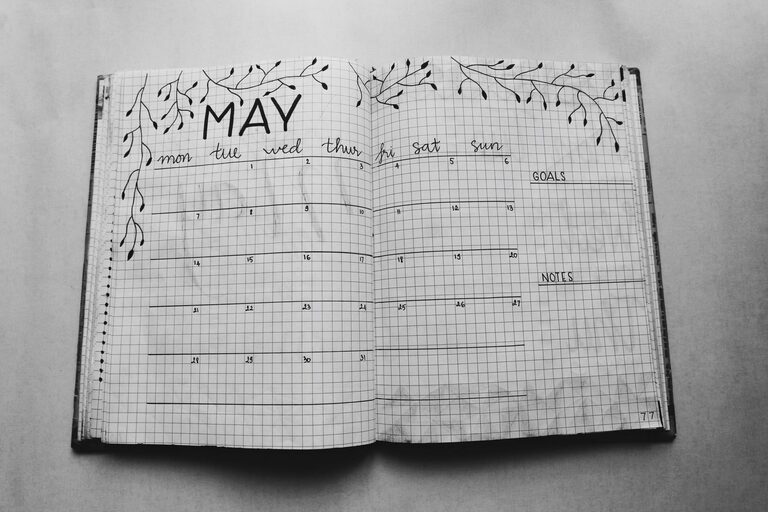

Keeping a gratitude journal is a powerful way to focus on the positive aspects of your life. It involves regularly writing down things you appreciate, which can improve your mood, increase mindfulness, and cultivate a more optimistic outlook. If you’re new to this practice, starting a gratitude journal might feel overwhelming, but it’s simpler than you think. This guide will walk you through everything you need to begin your own gratitude journal with ease.
A gratitude journal is a personal diary or notebook where you record things you are thankful for. These can be big or small, from appreciating a sunny day to being grateful for a supportive friend. The goal is to become more aware of the good around you and create a daily habit of recognizing positive moments.
Studies show that practicing gratitude regularly can:
– Increase happiness and life satisfaction
– Reduce stress and anxiety
– Improve sleep quality
– Strengthen relationships
– Enhance overall well-being
By focusing on gratitude, you train your brain to notice positive experiences more often, making them easier to recall and enjoy.
Your gratitude journal can be anything that suits your style and preferences:
– A dedicated notebook or journal
– A digital app or notes on your phone
– A simple document on your computer
Choose a format that you will enjoy using and can easily access daily. Some people prefer the tactile experience of writing by hand, while others like the convenience of typing.
Decide when you want to write in your journal. Many prefer mornings to start the day positively or evenings to reflect on the day. Consistency is key, so try to pick a time that fits naturally into your routine.
If you’re new to journaling, begin with writing 3 things you are grateful for each day. These don’t have to be elaborate or profound. Simple acknowledgments like “a delicious cup of coffee” or “a kind smile from a stranger” are perfect.
Instead of general statements like “I’m grateful for my family,” try to be more detailed, such as “I’m grateful for the phone call I had with my sister today.” This specificity helps you connect more deeply with the moment.
To keep things interesting, you can focus on various topics throughout the week:
– Monday: People who support you
– Tuesday: Personal achievements
– Wednesday: Nature and surroundings
– Thursday: Acts of kindness you witnessed
– Friday: Things that made you smile
– Weekend: Self-care moments or lessons learned
If you’re unsure what to write, prompts can help get you started. Here are some examples:
– What made me smile today?
– What is something I often overlook but appreciate?
– Who inspired me recently?
– What was a simple pleasure I enjoyed today?
Add affirmations or motivational quotes that resonate with you. This can boost your mindset and complement your gratitude practice.
Every few weeks or months, take time to read back through your entries. Reflecting on past gratitude can reignite joy and help you see progress in your outlook.
– Keep it accessible: Store your journal where you will see it regularly.
– Avoid pressure: There are no rules for what you must write; allow yourself flexibility.
– Celebrate small wins: Recognize every entry as a step toward a more positive mindset.
– Be honest: Write what you truly feel grateful for, even if it feels simple.
– Pair it with other habits: Combine journaling with meditation or deep breathing for enhanced benefits.
– Bullet journaling: Add gratitude sections to your existing planner.
– Photo gratitude journal: Take photos of things you appreciate and add captions.
– Shared journal: Exchange gratitude entries with a friend or family member.
– Audio journal: Record your gratitude moments if you prefer speaking over writing.
Starting a gratitude journal is a small but meaningful step toward improving your mental and emotional well-being. It doesn’t require special skills or much time, only a willingness to notice the good and nurture positivity. By adopting this habit, you’ll likely find yourself feeling more content and balanced as you appreciate the little joys in everyday life.
Give it a try today and watch how your perspective begins to shift in wonderful ways!
