
 21 July 2026
 Share
Share
1
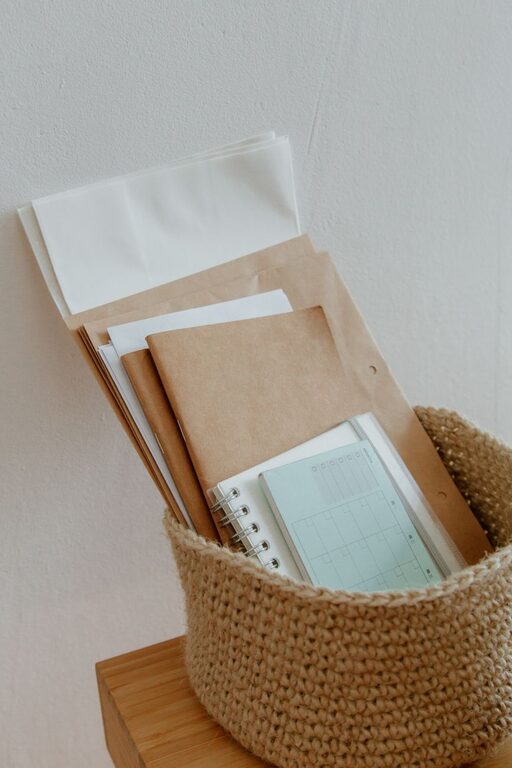
Paper clutter is a common challenge in many households. From bills and receipts to magazines and junk mail, paper can quickly accumulate and create a sense of chaos. Fortunately, reducing paper clutter doesn’t have to be overwhelming. With some simple habits and a few tools, you can regain control and maintain a cleaner, more organized home environment.
In this post, we’ll explore straightforward ways you can reduce household paper clutter, helping you save time, space, and mental energy.
Before diving into the how-to, it’s helpful to understand why managing paper is important:
– Improves Organization: Less paper means fewer piles and easier access to important documents.
– Saves Space: Clearing paper frees up desk, drawer, and shelf space.
– Reduces Stress: A tidy space promotes calm and can boost focus.
– Environmentally Friendly: Cutting down on paper helps reduce waste.
One of the most effective ways to reduce paper clutter is to switch to digital documents and records.
– Opt for Electronic Bills and Statements: Most banks, utilities, and service providers offer paperless billing. Signing up not only reduces clutter but often speeds up access to information.
– Use Digital Note-Taking Apps: Instead of sticky notes or notebooks, try apps like Evernote, Google Keep, or Microsoft OneNote to jot down reminders and ideas.
– Scan Important Papers: Use a scanner or smartphone apps like Adobe Scan or CamScanner to digitize receipts, warranties, and important documents. Store these files in organized folders on your computer or cloud storage.
– Pay Bills Online: Automate payments when possible to avoid paper invoices.
Some papers still need to be kept for legal, financial, or sentimental reasons. Organizing these can help reduce chaos.
– Use Labeled Folders or Binders: Separate documents into categories such as “Bills,” “Medical Records,” “Taxes,” and “Receipts.”
– Maintain a ‘To-File’ Tray: Place recent documents here temporarily until you sort them.
– Purge Regularly: Once a month, review files and shred or recycle papers no longer needed.
Assign different colors to folders or labels for quick visual identification. For example, green for financial documents and blue for personal records.
Paper clutter often starts at the mailbox or doorstep. Dealing with it promptly stops piles from forming.
– Sort Immediately: Designate bins or trays for “Action Needed,” “To Read,” and “Recycle.”
– Unsubscribe from Junk Mail: Use services or directly contact companies to reduce unwanted mail.
– Recycle Regularly: Keep a recycling bin nearby for quick disposal of unwanted flyers and ads.
Ask family and neighbors to send digital invites or announcements when possible.
Changing habits can have a big impact on paper clutter.
– Print Only When Necessary: Review documents on screen and print only if a hard copy is essential.
– Double-Sided Printing: Saves paper if you must print.
– Reuse Paper: Use the blank side of scrap paper for notes.
Having the right tools can help maintain order.
– Desktop Organizer: Keeps papers and supplies in one place.
– Shredder: Safely dispose of sensitive information.
– Label Maker: Makes filing faster and clearer.
– Magazine Holders: Keep catalogs and magazines neat.
Consistency is key to long-term success.
– Schedule weekly or biweekly times to sort mail, file documents, and recycle unwanted paper.
– Involve the whole family, so everyone contributes to keeping paper under control.
Reducing paper clutter does not require a drastic overhaul. By adopting these simple methods—going digital, organizing smartly, managing mail daily, adjusting paper habits, and using proper tools—you can enjoy a more peaceful, clutter-free home. Start small, stay consistent, and watch your space transform.
Remember, the goal is to create a system that works for you and your household, making paper clutter a problem of the past.
